Negotiations · Personal Effectiveness
How to Open a Talk: A Lesson from Aristotle
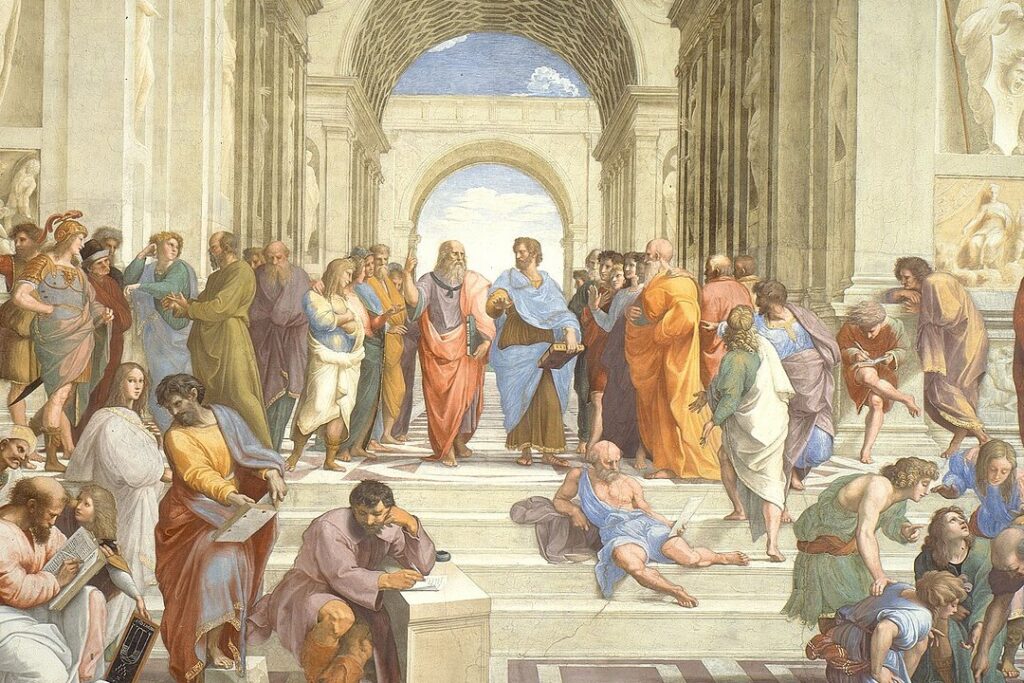
‘How do I open a talk — or a negotiation, or a conversation with a stranger, or with someone I would like to get to know?’ It is the question I am asked more often than any other.
Aristotle answered it two and a half thousand years ago (although today’s coaches are not always aware of it). He held that three things persuade us: ethos, pathos and logos. Pathos is the feeling you awaken in your listeners; logos is the force of your arguments. And ethos, put simply, is your image: the reason people should trust you as an expert.
Ethos is where you begin. Your audience needs to understand why you are an expert and why you deserve their trust — and here you should think broadly: expertise, authority, reputation, standing. To build that image you can be a celebrity, recognised the moment you walk in. Or you can simply introduce yourself properly. Find the words to convey your experience, your authority and the markers of your success — you have published an article, made a parachute jump, raised three children — depending on what you are about to talk about.
Better still, let someone else do it for you: the chair, the moderator, a colleague. So talk it through with them before you speak, and ask them outright: ‘Please introduce me like this.’ Then you can open with: ‘Thank you, John, for that introduction! Yes, I did recently land a hundred-kilo catfish. Let me add that…’
You would not believe how often people make the same mistake. They launch straight into cold substance while the audience has no idea who they are, where they have come from or why they should be trusted on the subject. Even the soundest arguments will not work until people have begun to trust you. Those who make this mistake have simply not read their Aristotle.
The first few seconds are usually the most nerve-racking. Get through them, and the rest becomes easier.